
Lighting Control System – Audio Visual Rental

Professional Event Technology and Production Support
Lighting and Audio Visual Rental for Events
A successful event should sound clear, look intentional, and move smoothly from one program segment to the next. That requires more than renting a collection of speakers, microphones, screens, and lighting fixtures. The equipment must suit the venue, work as one system, and be tested before guests arrive.
Show Technology, Inc. provides lighting and audio visual rental for corporate meetings, conferences, conventions, galas, product launches, private celebrations, live entertainment, and hybrid programs. Clients can request equipment, setup, on-site support, or complete event production. The right approach depends on the room, audience, content, and production complexity.
Choose the Right Level of AV Rental Support
“AV rental” can describe very different services. Defining the support level early helps prevent missing labor, incompatible equipment, and rushed setup.
```Equipment-Only Rental
Equipment-only rental is best suited to clients who already know the exact models, quantities, connections, power requirements, and accessories they need. The renter is normally responsible for transportation, installation, operation, troubleshooting, strike, and return. This can suit a straightforward meeting or an experienced production team, but responsibility remains with the renter.
Delivery, Setup, and On-Site Support
A supported rental adds professional delivery, installation, cable management, system testing, and breakdown. A technician may also remain to manage microphones, adjust sound levels, change presentation sources, play videos, or operate basic lighting cues. This suits events that need dependable support without a large crew.
Full-Service Event Production
Full-service production treats audio, video, lighting, staging, power, content, staffing, and the run of show as one coordinated project. It may include venue review, system design, rehearsals, live operation, backup planning, and breakdown. Explore Show Technology’s complete audio visual production services when the event includes multiple presenters, entertainment, LED walls, livestreaming, several rooms, complex cues, or a high cost of failure.
```Professional Audio Rental for Clear Communication
Guests should be able to understand every speaker without straining, regardless of where they sit. Achieving consistent coverage involves more than selecting a loud speaker. Room size, seating, surfaces, ambient noise, stage position, and audience density influence system design.
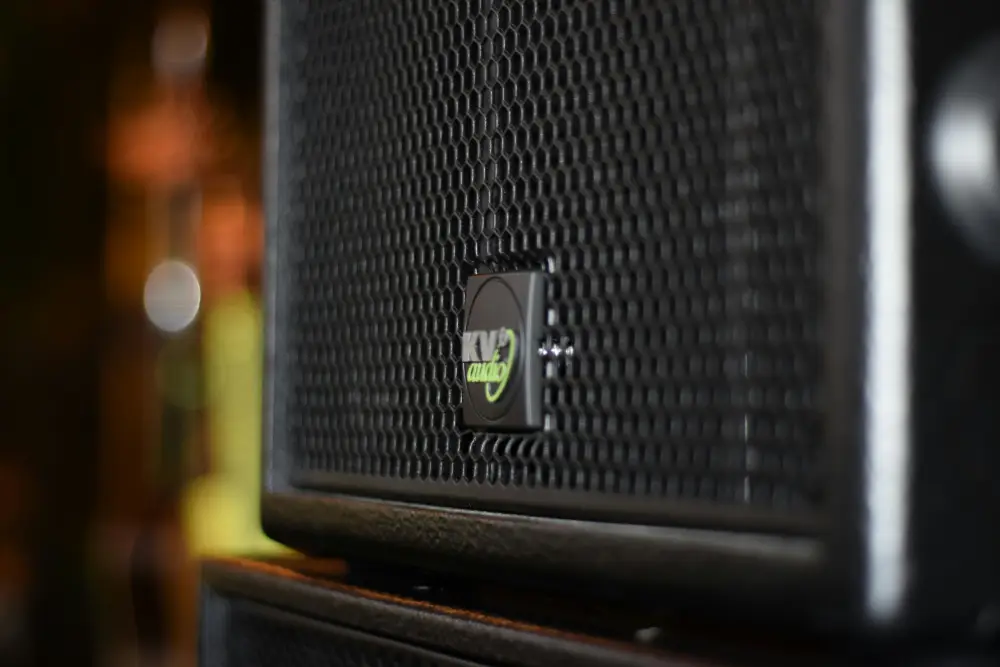
An event audio package may include full-range loudspeakers, subwoofers, front fills, delay speakers, digital mixing consoles, signal processing, playback devices, stage monitors, recording feeds, and audio interfaces for streaming. Large or irregular rooms may need controlled speaker zones for even coverage.
```Microphones for Presenters, Panels, and Performers
Microphone selection should match how people will use the stage. Wireless handheld microphones work well for speeches and audience questions. Lavalier or headset microphones allow presenters to move freely. Lectern microphones support formal remarks, while table microphones may be appropriate for moderated panels. Performances may also require instrument microphones, monitors, and a dedicated sound check.
Critical speaking positions should also have a backup plan. Multiple wireless systems require frequency coordination, especially at hotels, convention facilities, and properties hosting several productions at once. An audio technician can monitor signals, control feedback, and maintain consistent levels.
```Presentation, Projection, and LED Video Display Rental
Visual technology should be chosen according to content and viewing conditions rather than screen size alone. A presentation with detailed spreadsheets needs different treatment from a sponsor reel, scenic animation, live camera feed, or product video. Audience distance, ambient light, room width, stage design, and content resolution determine the display system.
```Projection and Professional Displays
Projection can be effective for meetings, breakout sessions, training programs, and general sessions where room lighting can be controlled. Proper projector brightness, lens selection, screen placement, and sightlines are essential. Stage lighting must also be positioned so it illuminates presenters without washing out projected content.
Professional monitors can support boardrooms, registration areas, confidence displays, digital signage, exhibit booths, and smaller audiences. Presenters may also need timers, notes monitors, or remote slide controls.
LED Walls for Bright, Flexible Visual Environments
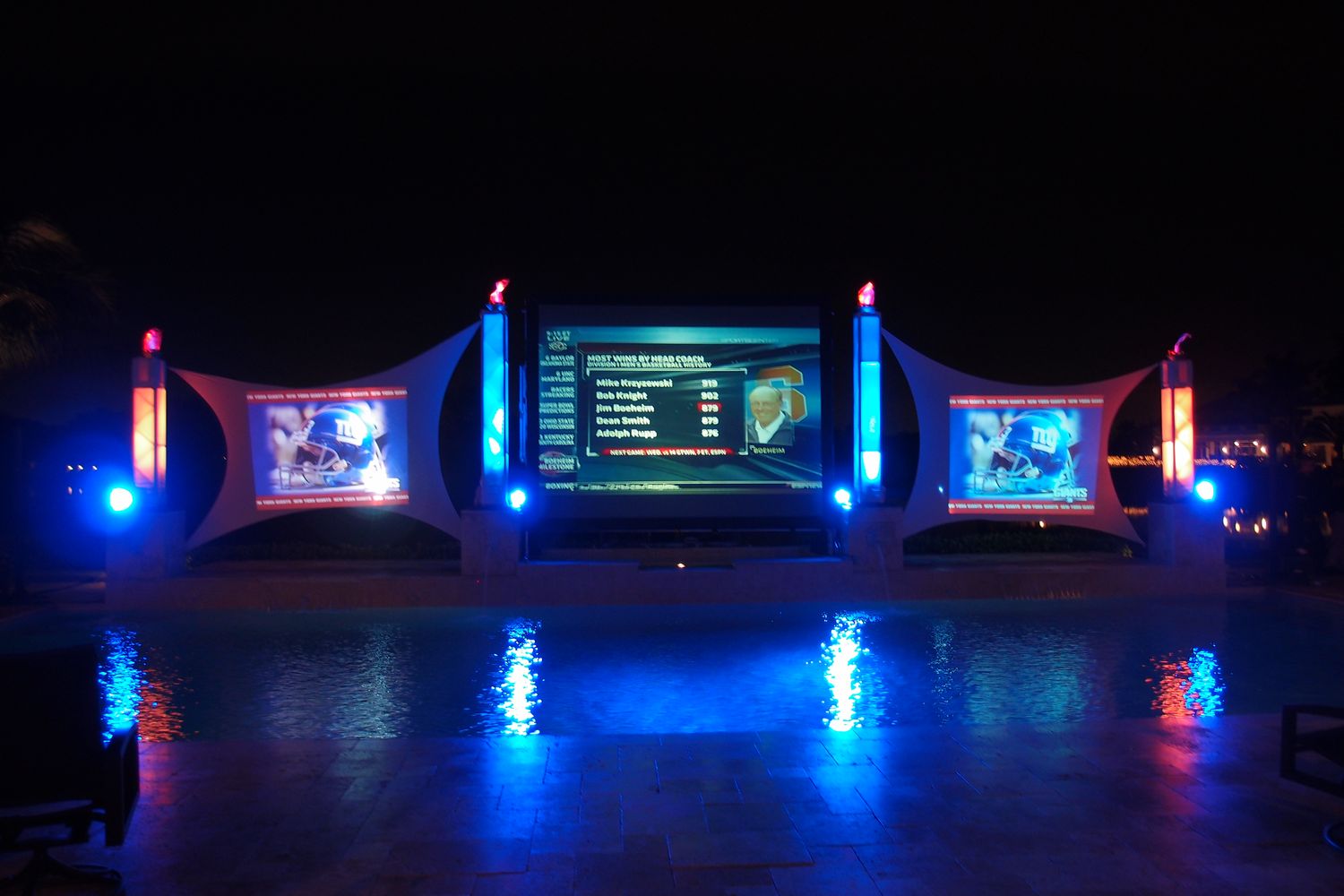
LED video walls create modular, high-impact surfaces for keynote content, live cameras, branded graphics, sponsor recognition, entertainment, and product reveals. Wall size and pixel pitch depend on viewing distance, stage dimensions, content, power, support, and access. Show Technology’s LED wall and video display services can be integrated with switching, playback, cameras, and scenic staging.
Presentation Management and Playback
A dependable presentation system may include primary and backup computers, video switchers, converters, playback devices, and technicians who manage transitions between speakers. Files should be collected and tested before showtime. Fonts, video formats, aspect ratios, embedded audio, and laptop connections should be checked in advance.
```Event Lighting That Supports Visibility, Branding, and Atmosphere
Lighting makes people visible, directs attention, supports cameras, reinforces branding, reveals décor, and changes the mood. Professional lighting design and production begins with the venue layout, stage position, audience sightlines, event theme, camera requirements, and run of show.
```Stage and Presenter Lighting
A balanced stage wash helps speakers, panelists, honorees, and performers remain visible across the usable stage area. Front, side, and backlight can add dimension while reducing dark facial shadows. Camera-based events also require controlled brightness, color temperature, and exposure.
Uplighting and Architectural Lighting
LED uplights can add color to walls, columns, drapery, scenic backdrops, and architectural details. They may use a consistent corporate palette or transition between looks for guest arrival, dinner, awards, entertainment, and departure. Architectural fixtures can emphasize entrances, terraces, landscaping, and textured surfaces.
Moving Lights, Spotlights, and Gobo Projection
Moving fixtures can create programmed beams, patterns, color changes, and motion for walk-on moments, live entertainment, dance floors, reveals, and immersive environments. Spotlights direct attention to a specific person or location. Pin spots highlight centerpieces, cakes, auction items, products, and sponsor displays. A custom gobo can project a company logo, event name, monogram, or decorative pattern onto a suitable wall, floor, backdrop, or scenic surface.
Lighting Control and Programmed Cues
A lighting console stores repeatable scenes for registration, keynotes, panels, videos, awards, dinner, entertainment, and closing remarks. Lighting cues should be included in the run of show and coordinated with audio, video, presentation, and staging teams.
```Why Audio, Video, Lighting, and Staging Must Be Planned Together
Technical systems share space, power, installation time, and sightlines. Screens, scenic walls, cameras, speakers, seating, and cable paths can conflict unless they are coordinated before load-in.
Show Technology’s event staging and set design services can incorporate platforms, risers, lecterns, pipe and drape, scenic backgrounds, runways, branded environments, and equipment support. Stage dimensions should account for people, furniture, monitors, scenic elements, access, and safe movement.
```Hybrid Events and Live Streaming
A hybrid event must work for both the room and the remote audience. This may require cameras, a broadcast audio mix, switching, encoders, graphics, remote connections, recording, and reliable internet. Lighting should be designed for camera exposure, while in-room audio must be routed without creating echo for online participants. Learn more about hybrid and virtual event solutions.
Events That Benefit from Integrated Production
Integrated lighting and AV can support meetings, conferences, trade shows, galas, launches, celebrations, performances, and broadcasts. Review the company’s event production capabilities or explore specialized corporate event AV services.
```A Practical Planning Process for Lighting and AV Rentals
- Define the audience experience. Identify what guests must hear, see, understand, and feel during each part of the program.
- Document the venue. Confirm room dimensions, ceiling height, seating, stage location, ambient light, sound conditions, power, internet, rigging points, and loading access.
- List every program source. Include presenters, panelists, performers, laptops, videos, music, remote speakers, cameras, graphics, and audience participation.
- Build the technical design. Select compatible audio, video, lighting, control, staging, communication, and power systems.
- Create the production schedule. Allow sufficient time for delivery, load-in, installation, programming, testing, rehearsal, guest arrival, operation, breakdown, and removal.
- Prepare the run of show. Mark microphone changes, presentation transitions, videos, music, lighting cues, walk-ons, awards, reveals, and remote connections.
- Test and rehearse. Verify content, signal paths, microphones, speaker coverage, display visibility, lighting positions, camera exposure, and backup equipment.
Clients who need help translating an event concept into a technical plan can use Show Technology’s event consultation and technical support for venue coordination, system planning, production scheduling, and on-site oversight.
```Venue Questions to Resolve Before Ordering Equipment
- Where may production vehicles load and park?
- Are freight elevators, security escorts, or specific load-in hours required?
- What electrical circuits and power-distribution rules apply?
- Is dedicated wired internet available for streaming or remote speakers?
- Does the venue require an approved rigging, electrical, or labor provider?
- Are there restrictions on sound levels, haze, flashing effects, outdoor lighting, or cable placement?
- How much time is available for setup, programming, sound check, and rehearsal?
What Affects Lighting and Audio Visual Rental Pricing?
Professional event pricing reflects the complete scope, not just the equipment inventory. Two events with similar attendance can have very different requirements because of venue access, room shape, program complexity, display size, microphone count, installation time, or staffing.
Common pricing factors include the event date and duration, number of rooms, equipment quantities, delivery distance, stage and scenic requirements, lighting programming, LED wall configuration, cameras, streaming, rigging, power distribution, rehearsal time, crew size, overtime, late-night breakdown, venue labor, and backup systems.
When comparing proposals, review what each quote includes for equipment, delivery, installation, testing, rehearsals, live operation, breakdown, taxes, travel, venue charges, and optional services. A lower total may represent a narrower scope rather than the same production at a better price.
```Information Needed for an Accurate Quote
- Event date, venue address, room name, and expected attendance
- Event type, agenda, and preliminary production schedule
- Stage dimensions, seating layout, and room diagrams when available
- Number of presenters, panelists, performers, and audience microphones
- Presentation, video, music, camera, streaming, and recording requirements
- Lighting priorities, brand colors, décor references, and scenic concepts
- Venue rules for access, power, internet, rigging, insurance, and labor
- Requested service level: equipment only, supported rental, or full production
Lighting and Audio Visual Rental FAQs
```Can lighting and AV equipment be rented together?
Yes. Audio, video, lighting, staging, displays, streaming, and technical support can be planned as one coordinated package. Integration is especially valuable when the program includes presentation transitions, videos, entertainment, awards, or camera coverage.
Do I need an on-site technician?
A technician is strongly recommended when the event uses several wireless microphones, video switching, LED walls, programmed lighting, livestreaming, complex presentations, or tightly timed cues. Straightforward equipment may be available without full-time operation when the renter has the appropriate technical experience.
How early should I reserve event equipment?
Reserve once the venue and date are confirmed. Peak dates, large displays, rigging, outdoor events, and multi-day programs need more planning time.
Can the lighting match our brand or décor?
Programmable LED fixtures can create coordinated colors and scenes. Provide brand standards, décor references, and inspiration images early.
Does Show Technology provide services beyond equipment rental?
Yes. Support may include consultation, venue coordination, system design, delivery, installation, programming, rehearsals, live technical operation, troubleshooting, breakdown, and equipment removal. Review all event production and AV services to compare available capabilities.
```